


Effective Recovery Strategies for Individuals with Complex PTSD:

Living with complex post-traumatic stress disorder (CPTSD) can feel overwhelming. The layers of trauma, often rooted in prolonged or repeated experiences, create challenges that go beyond typical PTSD. As someone who has walked this path and supported others through it, I want to share effective recovery strategies that can help you navigate your healing journey with compassion and clarity.
Understanding Complex PTSD Recovery Tips
Recovery from complex PTSD is not a one-size-fits-all process. It requires patience, self-awareness, and a toolbox of strategies tailored to the unique ways trauma affects your mind and body. Here are some essential tips that have proven helpful:
Establish Safety First: Before diving into deep healing work, creating a sense of safety is crucial. This might mean setting boundaries, finding a supportive community, or developing routines that foster stability.
Practice Mindfulness and Grounding: Techniques such as deep breathing, meditation, or sensory grounding exercises help manage overwhelming emotions and bring attention back to the present moment.
Seek Professional Support: People trained in trauma-informed care can guide you through therapies like EMDR (Eye Movement Desensitization and Reprocessing) or somatic experiencing, which address trauma stored in the body.
Build Emotional Awareness: Journaling or expressive arts can help identify and process feelings that may have been suppressed or misunderstood.
Develop Healthy Relationships: Connecting with others who understand or respect your journey can reduce isolation and foster healing.
These tips are not just theoretical; they are practical steps that can be integrated into daily life to support gradual recovery.
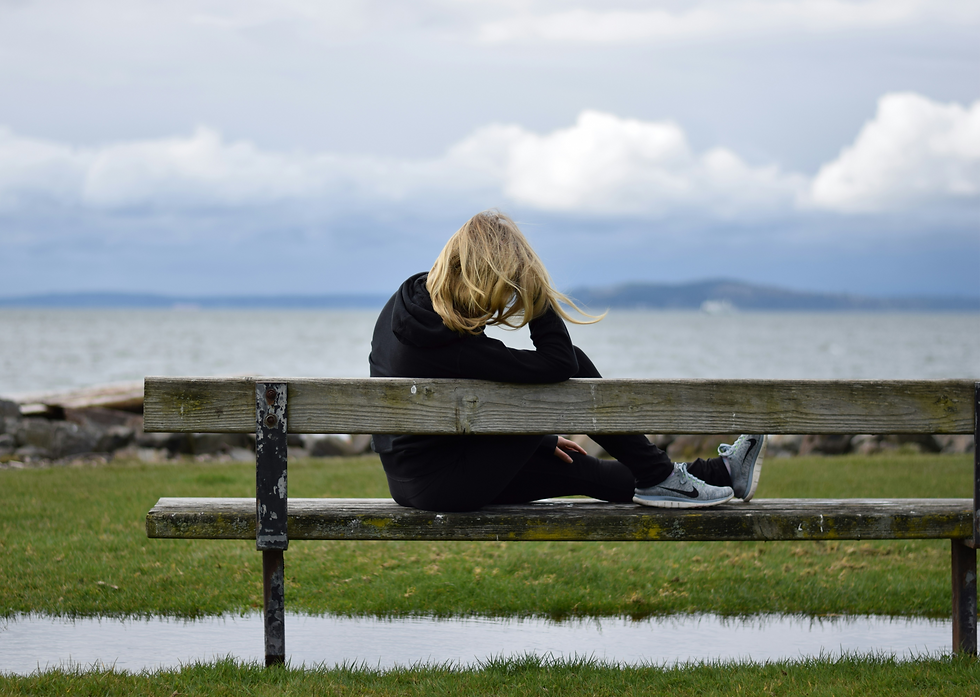
Is CPTSD Hard to Live With?
Living with CPTSD can be incredibly challenging. The symptoms often include intense emotional dysregulation, difficulty trusting others, and a persistent sense of threat. These experiences can make everyday life feel like a minefield.
Often, societal expectations may add another layer of difficulty. There can be pressure to appear strong and self-reliant, which might discourage seeking help or expressing vulnerability. This can lead to feelings of isolation and frustration.
However, acknowledging these struggles is the first step toward healing. It’s important to remember that while CPTSD is hard to live with, it is not a life sentence. With the right support and strategies, it is possible to regain control and find peace.
The Role of Physical Health in Healing
Physical health plays a significant role in complex PTSD recovery. Trauma impacts the nervous system, and caring for the body can help regulate stress responses. Here are some ways to incorporate physical wellness into your recovery:
Regular Exercise: Activities like walking, swimming, or hiking can reduce anxiety and improve mood.
Nutrition: Eating balanced meals supports brain function and energy levels.
Sleep Hygiene: Establishing a calming bedtime routine helps improve sleep quality, which is often disrupted by trauma.
Body Awareness Practices: Techniques such as progressive muscle relaxation or tai chi encourage reconnection with the body.
Taking care of your physical health is not just about fitness; it’s about creating a foundation for emotional and psychological healing.

Building a Support Network
Recovery is rarely a solo journey. Building a network of support can provide encouragement, understanding, and accountability. Consider these approaches:
Join Support Groups: Connecting with others who have experienced complex trauma can reduce feelings of loneliness and provide practical advice.
Engage Trusted Friends or Family: Sharing your experiences with people who listen without judgment can be healing.
Work with Trauma-Informed Coaches or Counselors: Professionals who specialize in trauma can offer personalized guidance and coping strategies.
Remember, asking for help is a sign of strength, not weakness. Surrounding yourself with compassionate people creates a safe space to grow.
Embracing Patience and Self-Compassion
Healing from complex PTSD is a gradual process. There will be setbacks and breakthroughs. It’s essential to approach recovery with patience and kindness toward yourself.
Celebrate Small Wins: Every step forward, no matter how small, is progress.
Practice Self-Compassion: Speak to yourself as you would to a close friend, with warmth and understanding.
Allow Time for Rest: Healing requires energy, and rest is a vital part of that.
By nurturing yourself gently, you create an environment where lasting change can take root.
For those seeking more guidance, exploring resources like books and articles can provide tailored support and community.
Moving Forward with Hope and Strength
Recovery from complex PTSD is a journey filled with challenges, but also with hope. By integrating these strategies—prioritizing safety, nurturing physical health, building support, and practicing self-compassion—you can move from surviving to truly thriving.
Remember, healing is not linear. It’s a path that requires courage, resilience, and the willingness to embrace both the light and the shadows within. With each step, you open the door to a renewed sense of peace and purpose.
If you are ready to take the next step, know that support is available, and transformation is possible. Your journey toward healing is valid, and you deserve to live a life filled with strength and serenity.


Comments